In a report covered by Cointelegraph on November 10, 2026, Binance Research said Bitcoin could find support before major central banks begin cutting interest rates—if the pace of global tightening continues to slow. That is a conditional outlook, not a forecast that rate cuts or a Bitcoin recovery are imminent.
Binance said eight of the 10 central banks it tracks had raised rates over the preceding six months, including a Swedish increase announced on November 4. It said the momentum of tightening had begun easing from a July peak, but whether that trend would continue into early 2027 remained an open question.
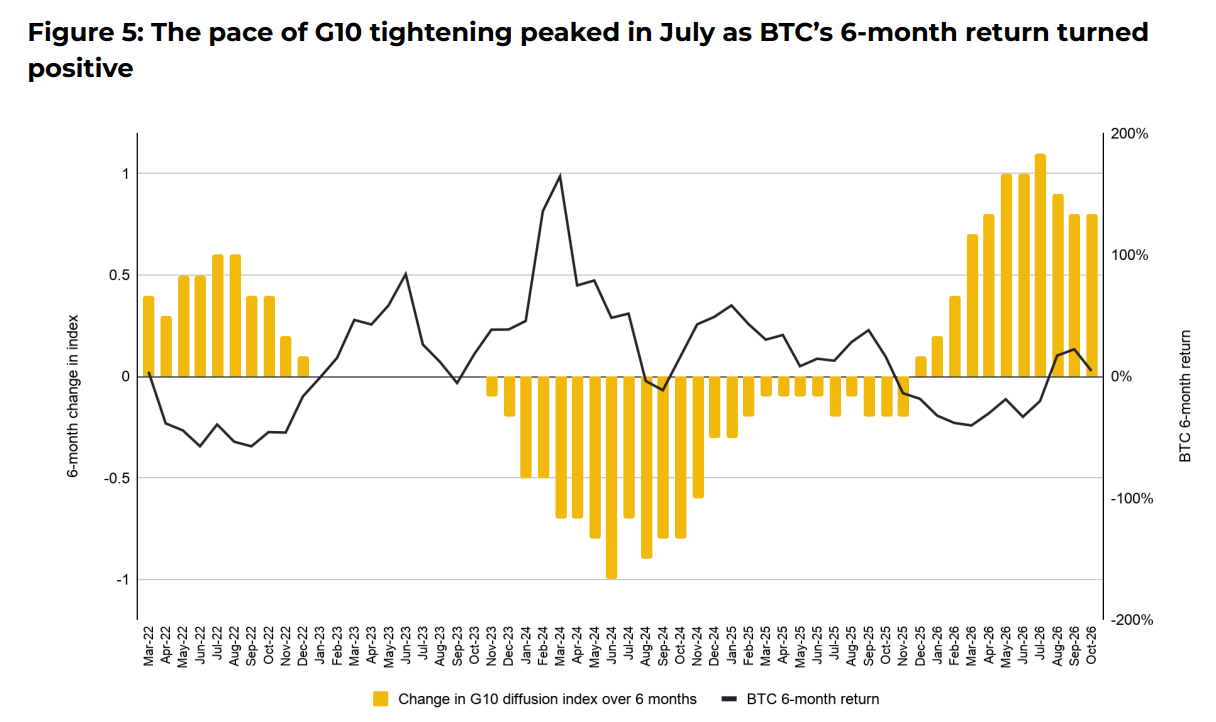
To explain its view, Binance pointed to earlier periods: Bitcoin bottomed in November 2022, and its six-month return turned positive in February 2023, before any bank in its index began cutting rates. The firm also cited a six-month Bitcoin return exceeding 160% in March 2024. Those historical comparisons do not establish what Bitcoin will do in the current cycle.
US policy remained a counterweight. Federal Reserve Governor Christopher Waller said on November 10 that he was leaning toward a quarter-point rate increase in December and would consider a half-point increase if core inflation remained elevated. According to CME Group’s FedWatch Tool, the implied odds of a 25-basis-point December hike rose from 76.3% to 96.3% that day. Separately, Bitwise argued in a November 2 report that weaker growth expectations could eventually lead central banks toward easing.
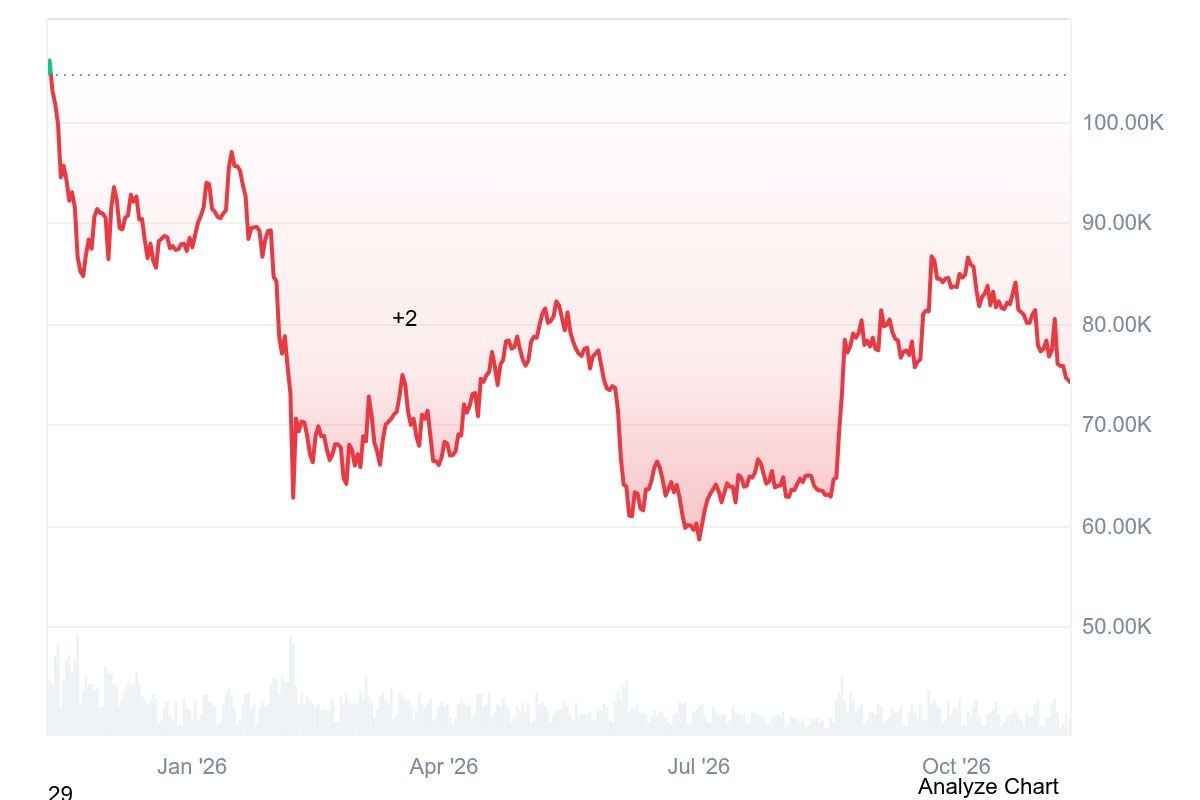
At the time of the original report, CoinMarketCap put Bitcoin at $74,131, down 3.5% over the preceding week and 30% over one year. That price was 41% below its cited $126,198 all-time high. These are historical figures from the report, not current market prices.
Source: cointelegraph.com (originally published 2026-11-10 21:15 UTC+8)