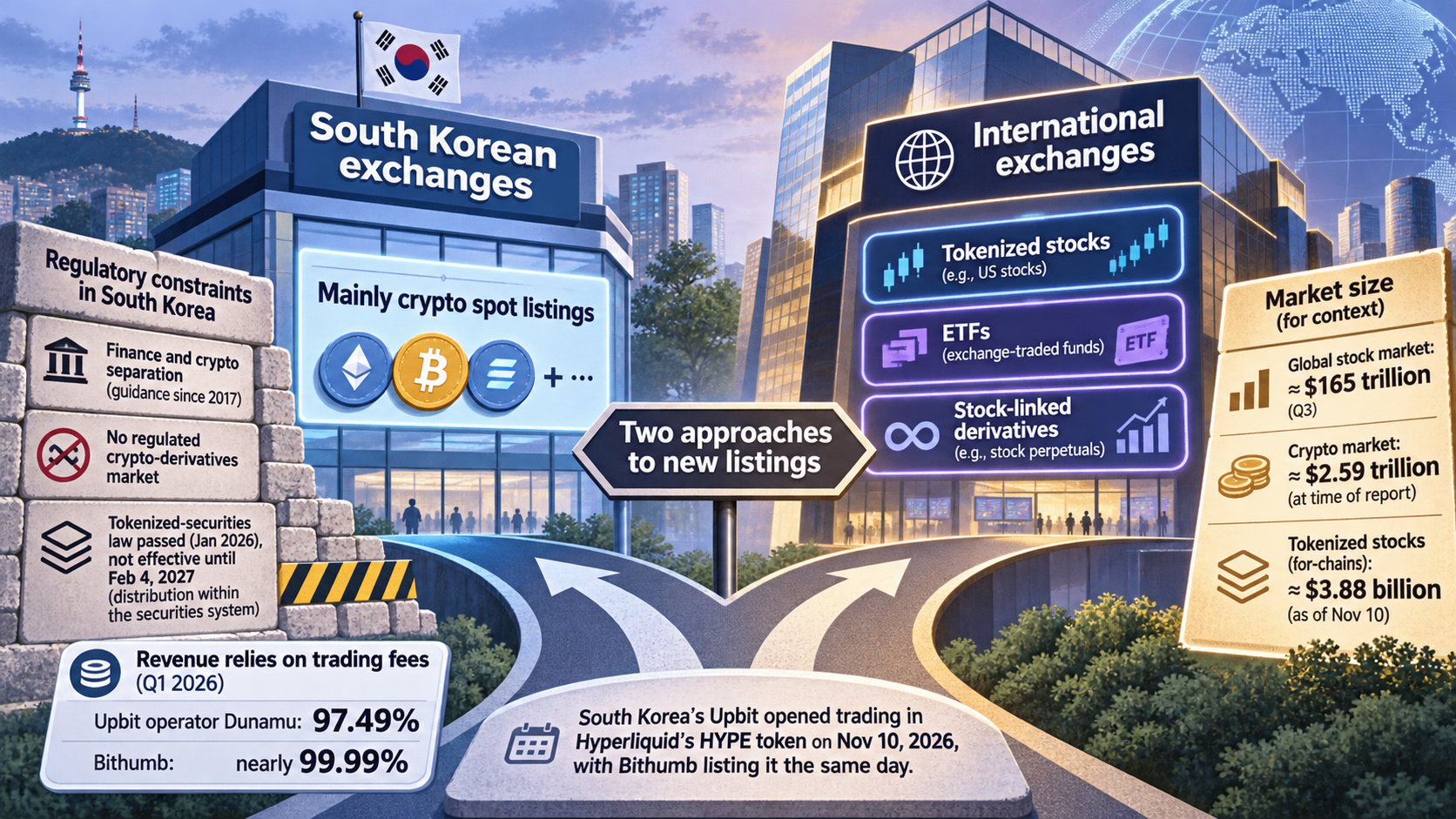
As reported by ChainCatcher on November 11, 2026, South Korea’s Upbit opened trading in Hyperliquid’s HYPE token on November 10, with Bithumb listing it the same day. Their focus on crypto spot listings contrasted with announcements from international exchanges offering tokenized stocks, exchange-traded funds (ETFs) and stock-linked derivatives.
That contrast reflects different regulatory options, not necessarily different convictions about crypto. South Korean exchanges have had limited room to offer derivatives or move into traditional financial assets. International rivals, meanwhile, have been adding stock-related products alongside their crypto markets.
Two approaches to new listings
Binance listed 87 new projects on its spot market in 2025, according to Binance Research. Data cited by ChainCatcher from flexe.io put its 2026 spot additions at 26 through November 11. The same data counted 49 tokens announced for delisting and 64 given monitoring labels in 2026, compared with 27 and 42, respectively, in 2025.
Binance has also introduced bStocks, tokenized securities linked to US stocks and ETFs, following approval of the issuer’s prospectus by Abu Dhabi Global Market’s Financial Services Regulatory Authority. ChainCatcher reported that OKX, Bitget, Gate and HTX were expanding stock-related offerings as well.
These products were still small relative to the markets they referenced. RWA.xyz put the total on-chain value of tokenized stocks at about $3.88 billion as of November 10. ChainCatcher cited Bloomberg data placing global stock-market capitalization at about $165 trillion in the third quarter, versus roughly $2.59 trillion for the crypto market at the time of its report. Those figures describe market size; they do not establish how much stock trading will move on-chain.
Why Korean exchanges kept adding tokens
South Korea’s separation of finance and crypto has constrained exchanges’ alternatives. The Financial Services Commission issued guidance in 2017 restricting financial institutions’ involvement with crypto assets. The country had not established a regulated domestic crypto-derivatives market as of ChainCatcher’s report. Tokenized-securities legislation passed in January 2026, but its planned distribution channels sit within the securities system, and the relevant laws were not due to take effect until February 4, 2027.
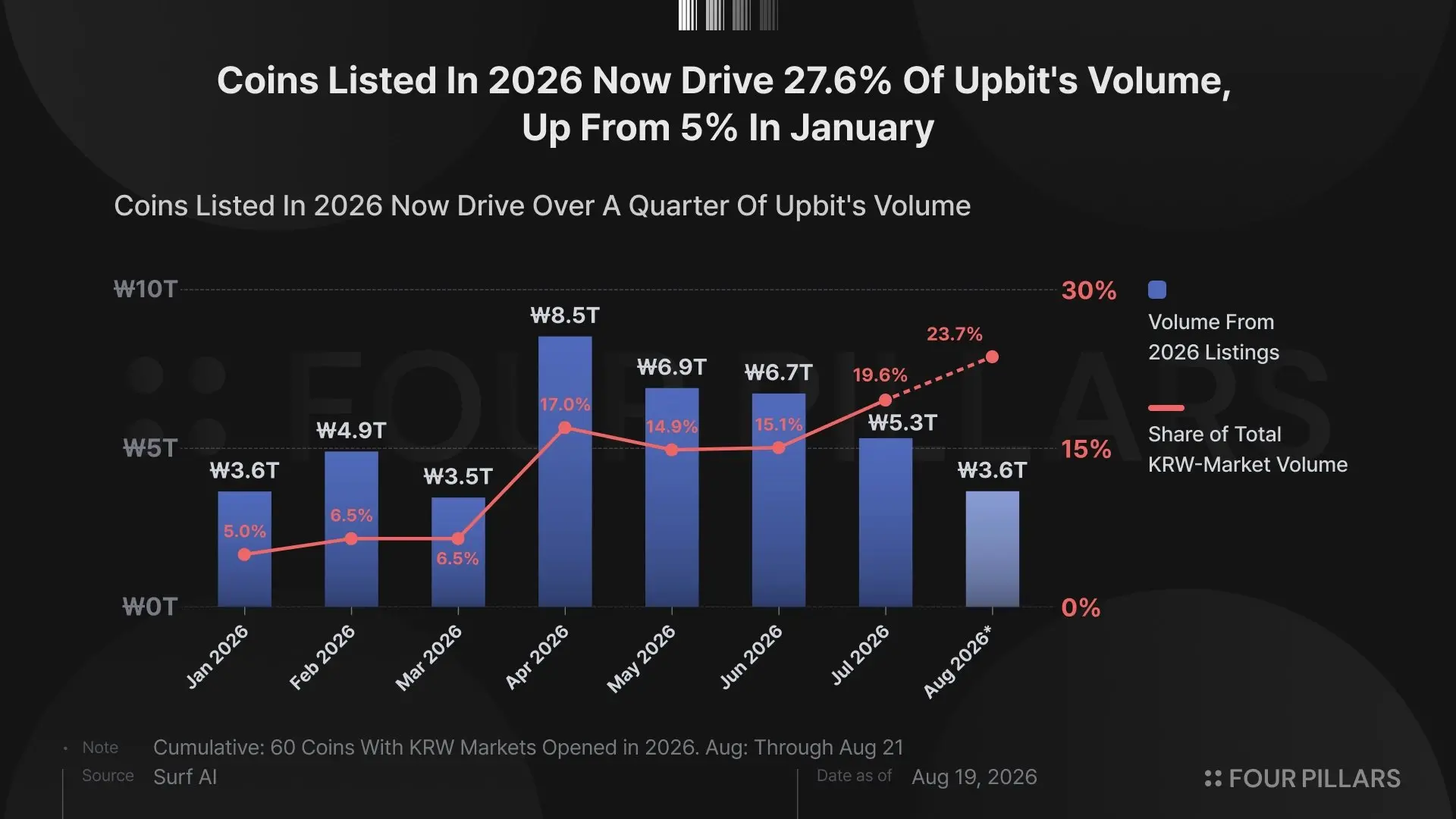
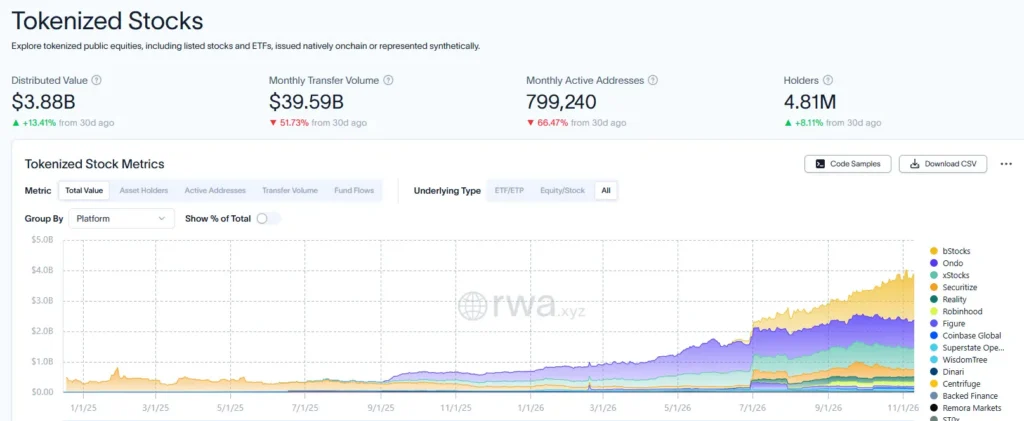
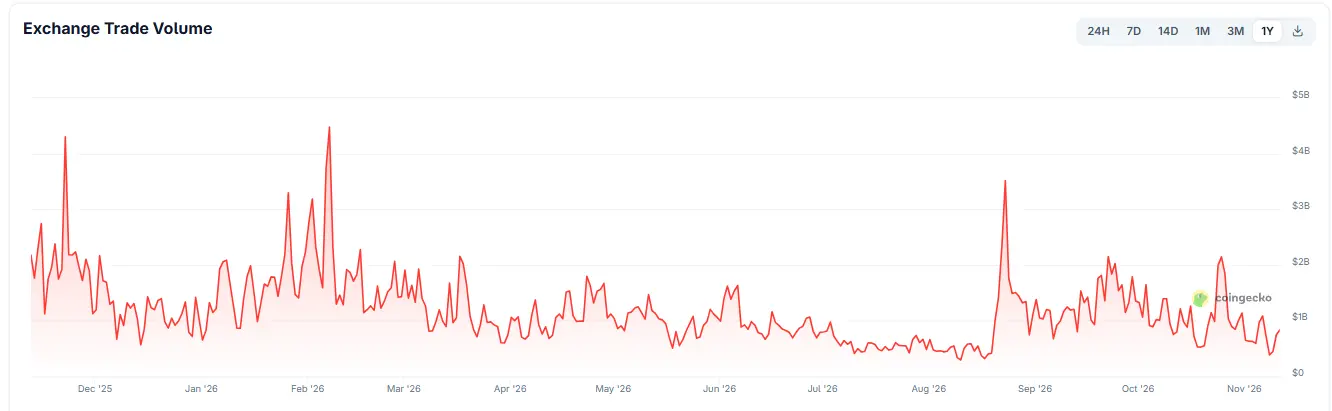
Trading fees consequently dominated the two leading exchanges’ reported revenue. For the first quarter of 2026, fees accounted for 97.49% of Upbit operator Dunamu’s total revenue and nearly 99.99% of Bithumb’s, according to disclosures cited by ChainCatcher. CoinGecko data cited in the article showed second-quarter trading volume across South Korea’s five won-based exchanges fell by about half year over year, including a 54% decline at Upbit.
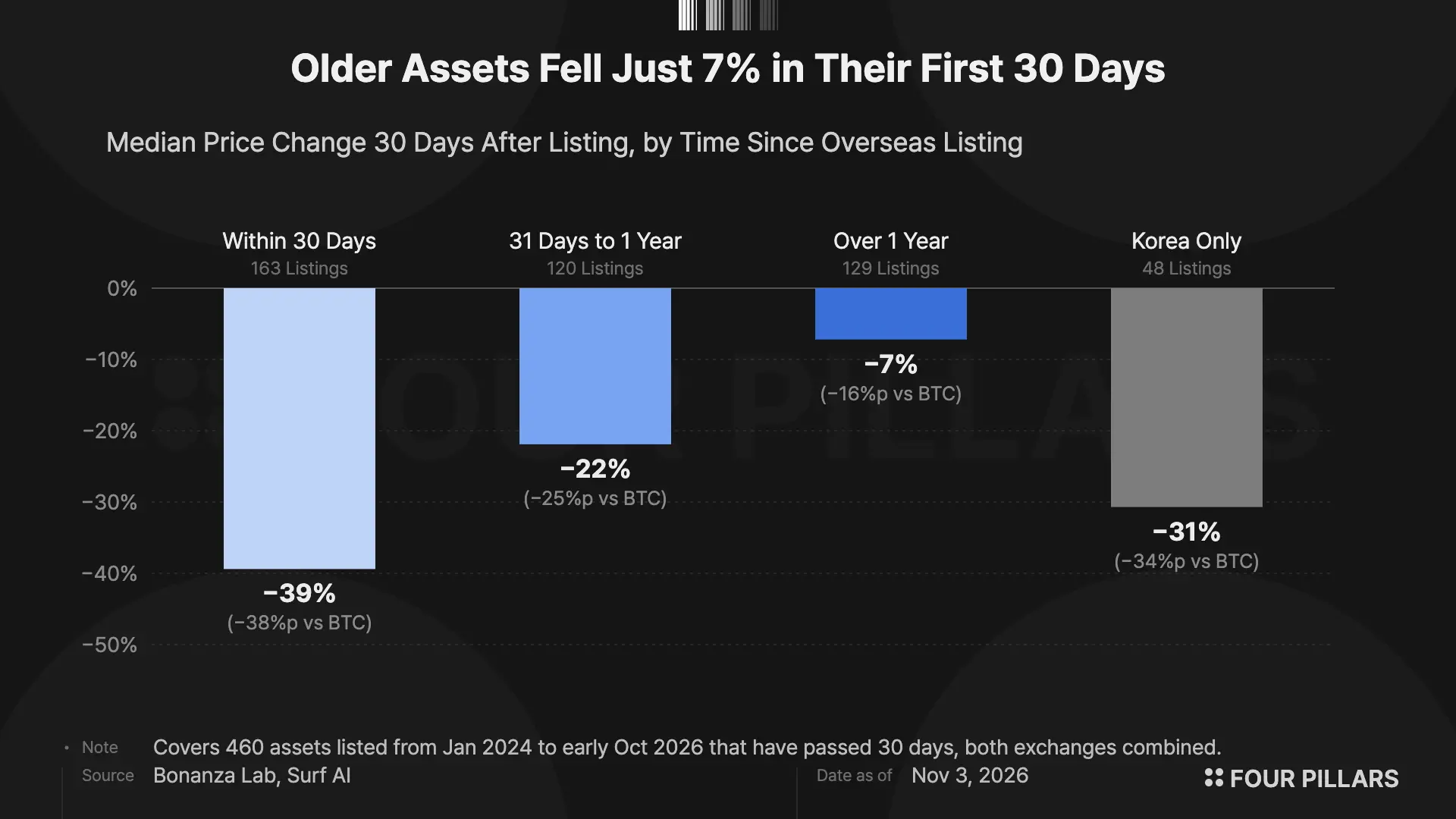
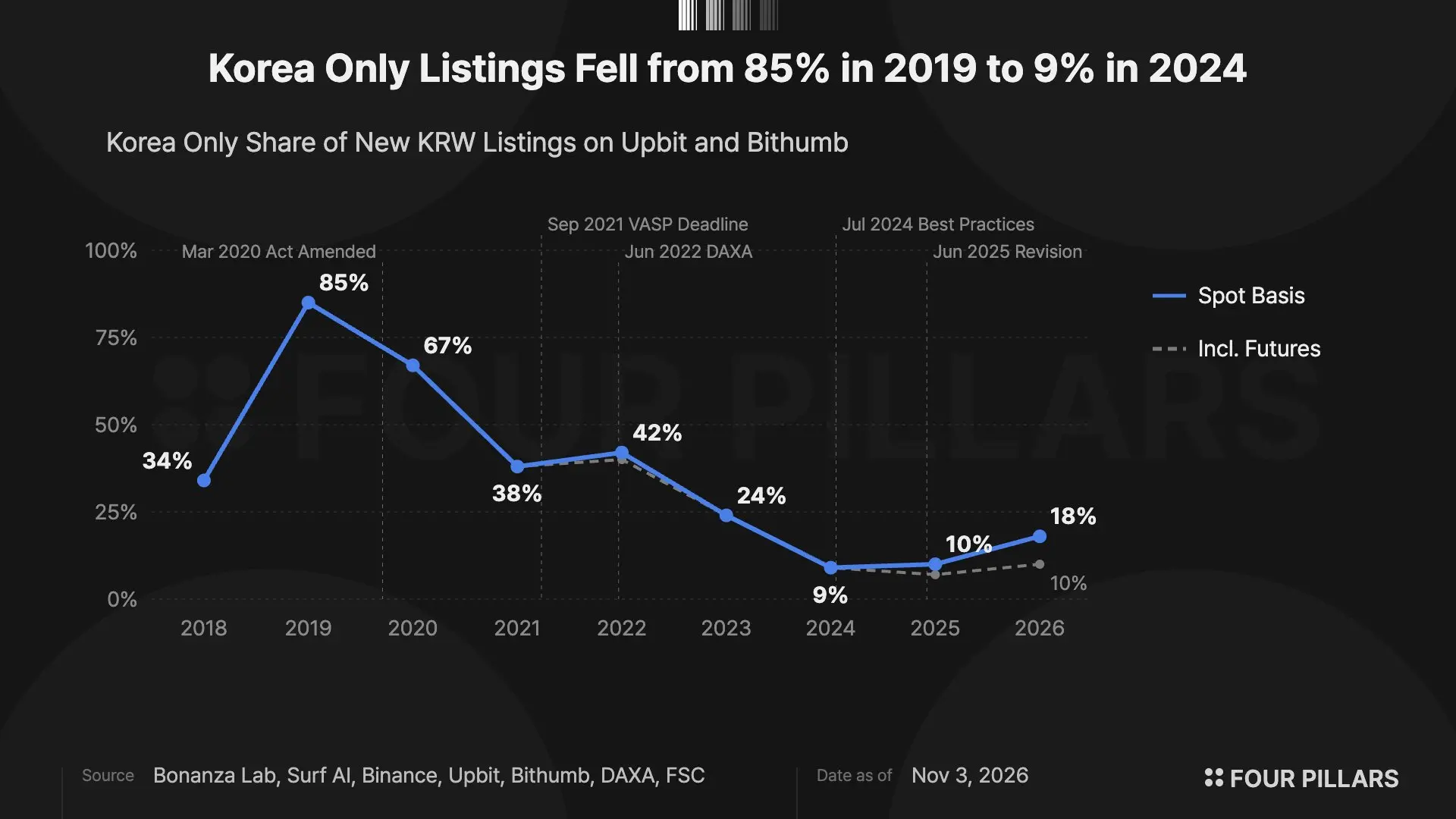
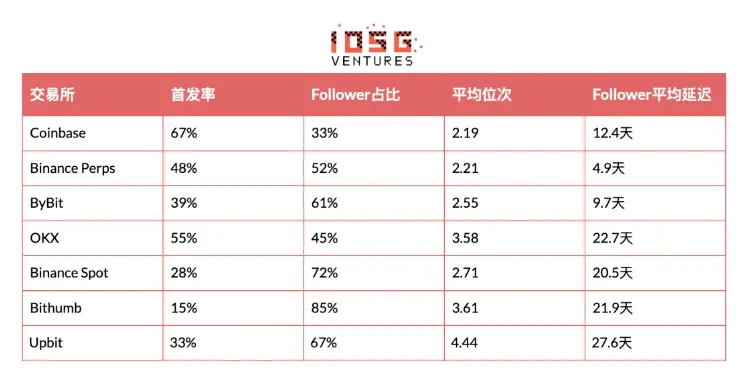
Upbit’s listing pace increased even as it generally listed assets after overseas venues. Researcher tranks of Four Pillars found that the share of new won-market listings arriving in South Korea before the spot markets of Binance, OKX, Bybit and Coinbase fell from 85% in 2019 to 9% in 2024. IOSG Ventures estimated that Upbit listed tokens an average of about 28 days after their first exchange listing. Its data also found a 27.4% entry premium when tokens reached Upbit, followed by a 25.7% decline over the next 30 days—historical observations, not a forecast for any particular token.
Whether the divide persists depends in part on policy that had not been settled at publication. South Korea’s Financial Services Commission chair had said the regulator would study whether, and to what extent, to relax the separation between finance and crypto. At a November 10 policy meeting, Dunamu vice chairman Kim Hyoung-nyon argued for a regulatory framework that would let the company compete globally. Neither statement amounted to permission for Korean exchanges to launch the stock-linked products offered elsewhere.
Source: chaincatcher.com (originally published 2026-11-11 22:30 UTC+8)