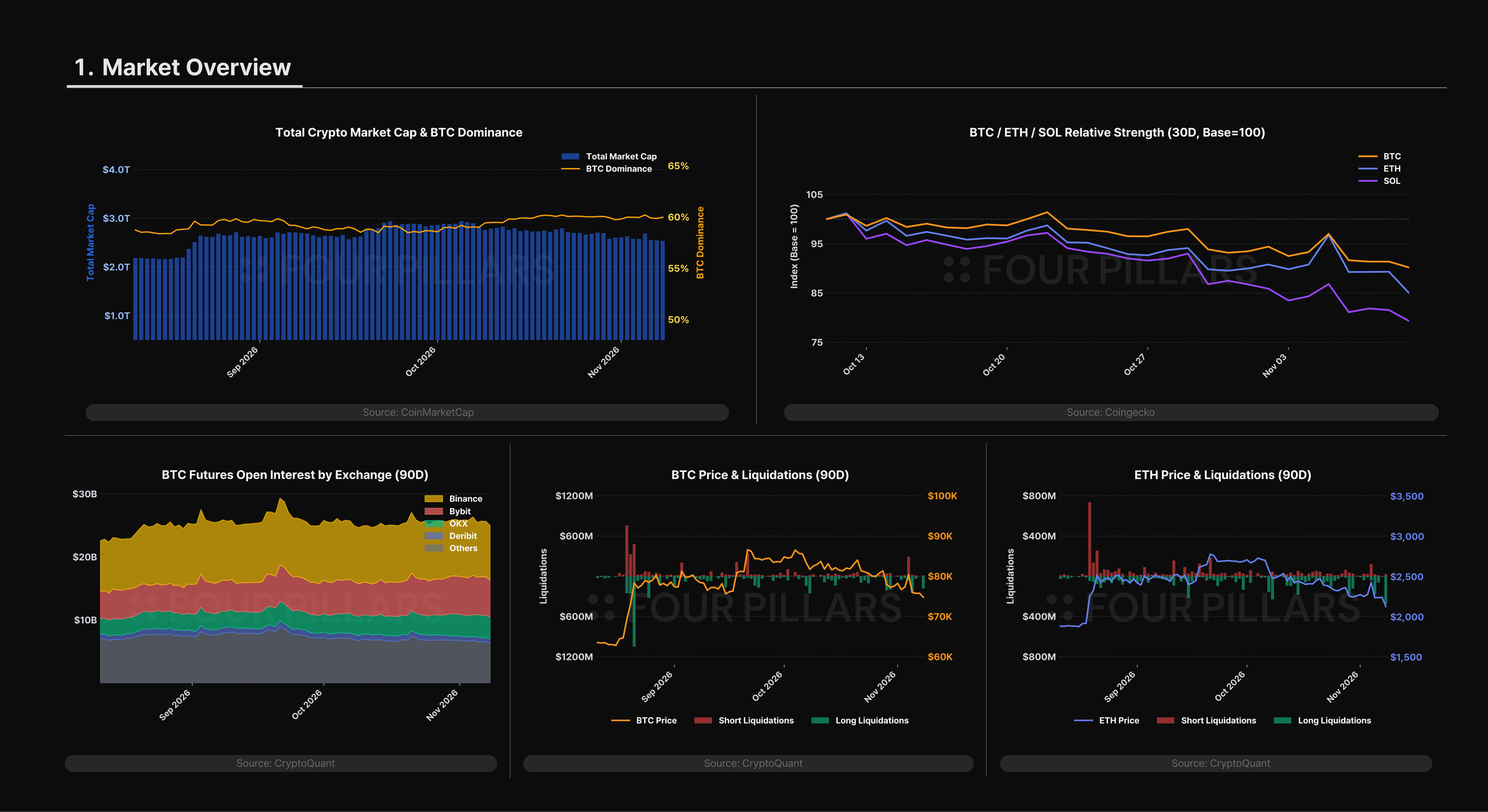
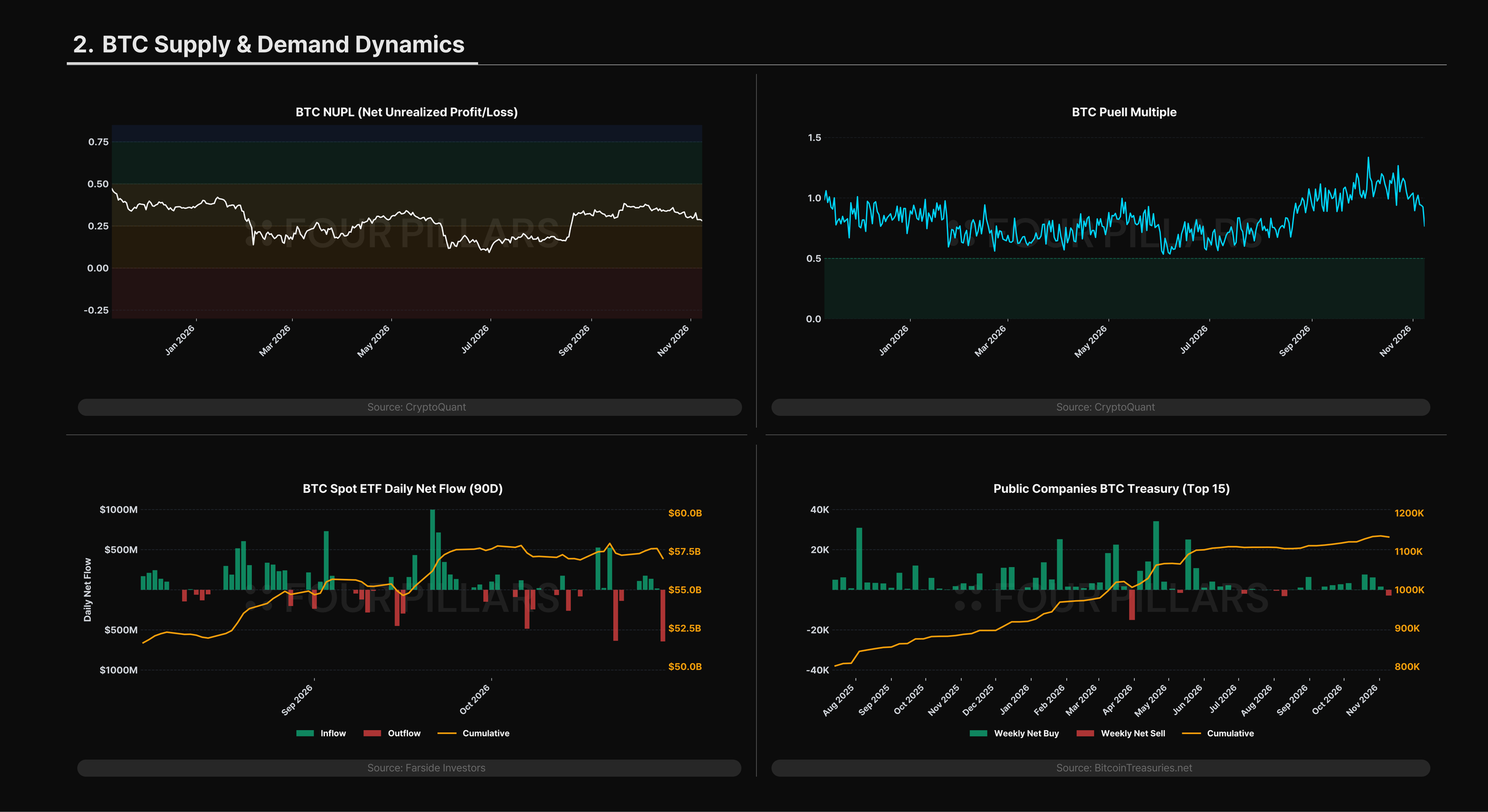
Originally reported by Deep Tide TechFlow on November 10, 2026, at 12:52 p.m. UTC+8, in a translation of a Four Pillars weekly report.
Four Pillars says the November 3 US midterm elections gave Democrats control of both chambers of Congress. The report expects that result to make passage of a broad digital-asset market-structure bill, including the CLARITY Act, more difficult when the new Congress takes office in January 2027. That is an assessment of the bill’s prospects, not a change in law.

The report says Democratic lawmakers have raised potential conflict-of-interest concerns involving the Trump family’s crypto businesses, including World Liberty Financial, its USD1 stablecoin and the TRUMP meme coin. It expects greater congressional scrutiny, while noting that the SEC and CFTC are continuing separate regulatory initiatives. The SEC’s Regulation Crypto Assets is a proposal, and the CFTC’s CTX and CAM initiatives are rulemaking efforts—not final rules.

Stock perpetuals enter the US regulatory debate
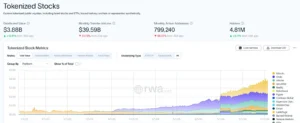
Four Pillars also reports that, on November 3, the CFTC cleared a path for single-stock perpetual futures to trade on US-regulated exchanges that also hold the required SEC securities-futures registration. It says Kalshi launched contracts covering more than 50 companies on November 5 and recorded over $300 million in early trading volume. Other firms are preparing similar products, but planned launches remain distinct from products already trading.
The regulatory path is contested. According to the report, an industry coalition including Cboe and Citadel Securities has sued to challenge the CFTC’s authority under the current framework. Four Pillars also describes Intercontinental Exchange’s partnership with Hyperliquid-based Trade[XYZ] as a plan to develop regulated trading and clearing infrastructure, subject to regulatory approval.
Exchange security and Hyperliquid risks
In its coverage of an October 30 Binance security incident, Four Pillars reports that attackers stole $6.36 billion from hot wallets across 10 blockchains. It says the FBI attributed the attack to the North Korean group TraderTraitor. The report states that more than $2.8 billion had been frozen or recovered and that Binance assembled $6.34 billion to cover repayments without external borrowing. These incident figures and the account of Binance’s response are the report’s claims.
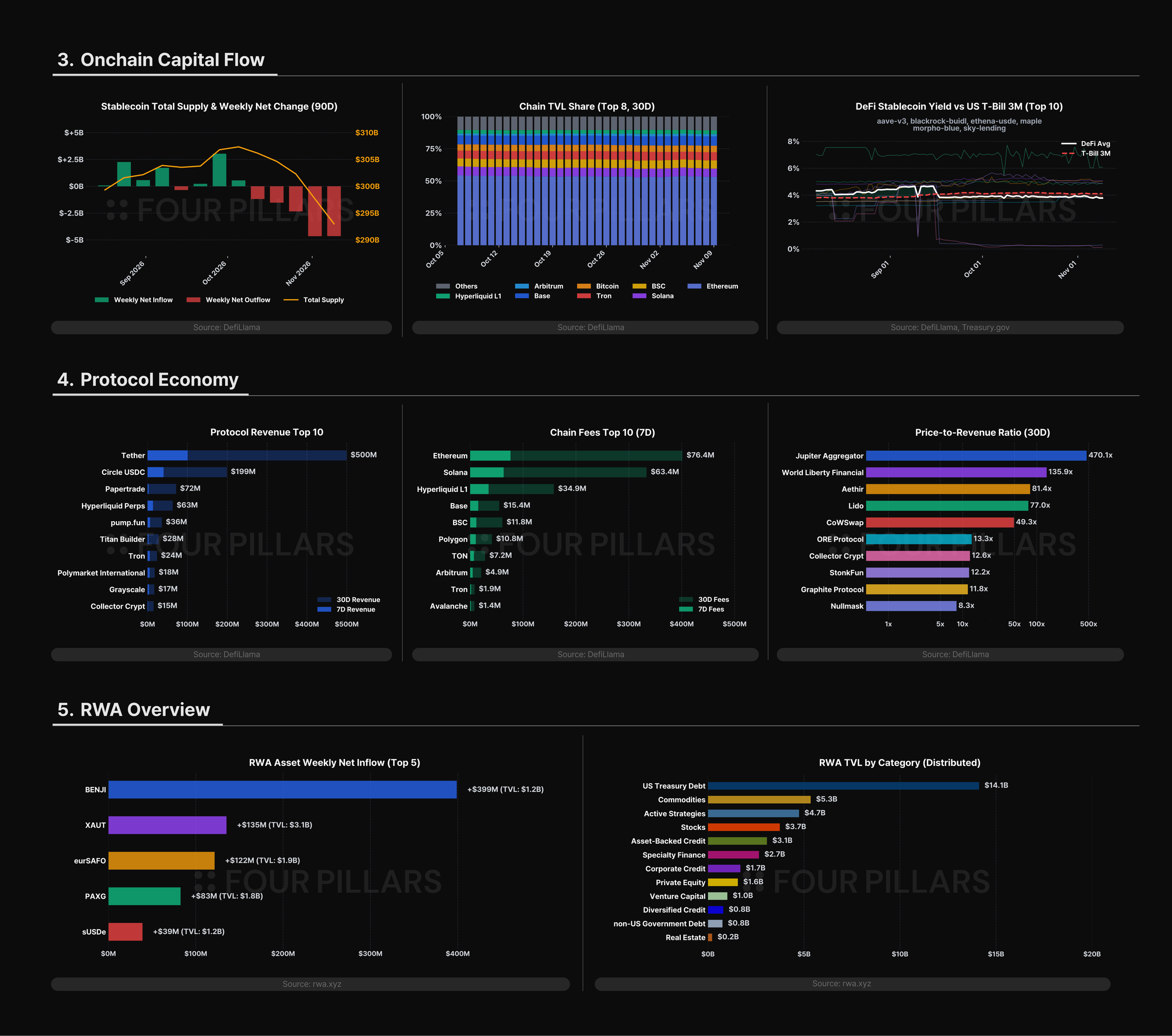
A separate Four Pillars and GLC Research report puts Hyperliquid’s first-half 2026 protocol revenue at $351 million, up 6.4% year over year. It says HIP-3 markets accounted for 25.1% of trading volume but 7.4% of protocol revenue. The report also flags a potential supply risk: $4.3 billion in vested HYPE that had not been claimed. Its estimated future contribution from USDC reserve interest had not been recognized as first-half revenue, and the amount ultimately distributed remained uncertain.
Source: techflowpost.com (originally published 2026-11-10 12:52 UTC+8)